Soffit Panels Exporter From India To Philippines - Blog
03 October, 2026
Soffit panels create a neat, protective finish beneath roof overhangs, eaves, canopies, and exterior ceilings. For projects in the Philippines, buyers often look for materials that can handle humidity, rain, sunlight, and changing temperatures.
This guide explains how importers, architects, contractors, and developers can compare PVC soffit, WPC soffit panels, decorative profiles, and ventilation options. It also covers specifications, installation, shipping, and supplier checks. If you are evaluating a soffit panels exporter to Philippines, use these points to make a more informed purchasing decision.
Why Do Philippine Buildings Need Quality Soffit Panels?
Protection for Roof Eaves and Overhangs
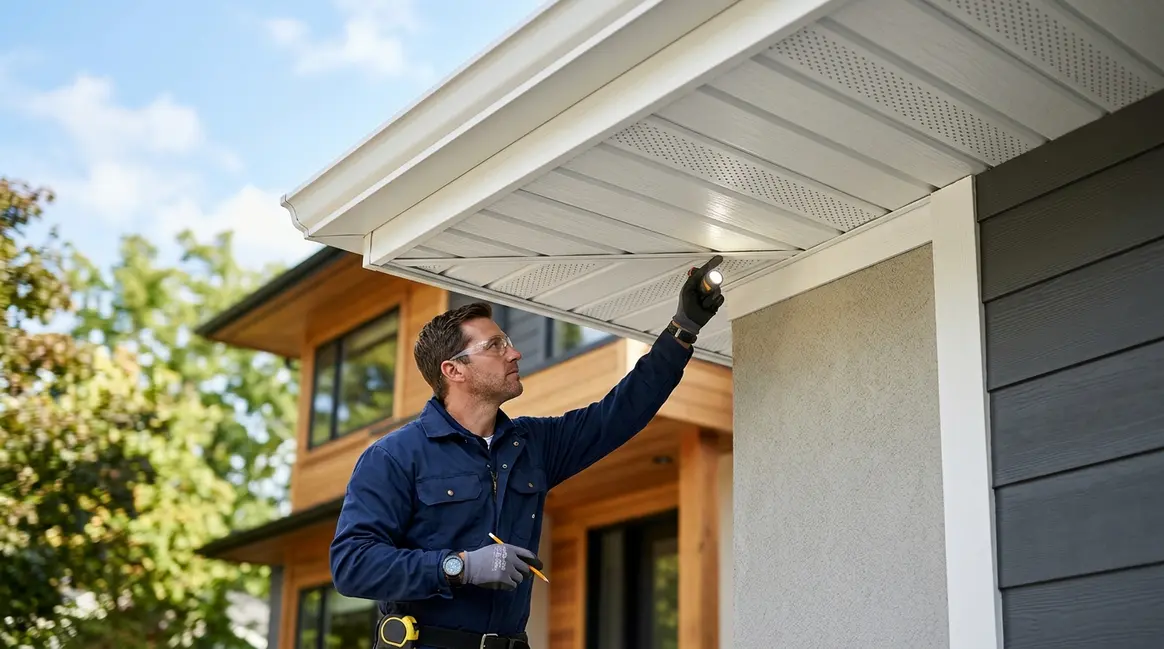
Roof eave panels cover the underside of an overhanging roof. They conceal rafters, wiring, framing, and other components while giving the roof edge a finished appearance.
A well-planned soffit system can reduce direct exposure to wind-driven rain, dust, debris, birds, and insects. However, it does not replace roofing, flashing, gutters, waterproof membranes, or proper drainage. Every part of the roof system must work together.
Contractors should inspect the roof before fitting new panels. Existing leaks, damaged framing, and poor drainage need to be corrected first. Covering these problems can make future repairs more difficult.
Performance in Humid and Coastal Locations
Philippine projects may face high humidity, frequent rainfall, strong sunlight, salt-laden coastal air, and regular temperature changes. These conditions make material selection important.
Buyers commonly ask for the following properties:
Good moisture resistance for humid and semi-exposed areas
UV resistance to reduce fading and surface damage
Weather resistance suited to the intended location
Termite resistance where timber damage is a concern
Low maintenance and straightforward cleaning
These properties should not be assumed from a product name alone. Performance depends on the material formulation, surface finish, supporting frame, fasteners, installation method, and degree of exposure. Ask the supplier for technical documents that relate to the exact product being offered.
Ventilation and Condensation Control
Soffit ventilation openings can bring outside air into the lower part of a roof space. The air may then move toward ridge vents or other high-level outlets. This arrangement can support roof ventilation and help manage trapped heat and moisture.
Not every building needs the same vent area. Roof shape, ceiling design, insulation, building use, and local conditions all affect the result. A qualified roofing professional should calculate the required intake and exhaust areas.
Which Soffit Material Is Right for Your Project?
PVC Soffit Panels
PVC soffit is lightweight and generally easy to handle. Products designed for outdoor use may be considered for roof overhangs, porches, and sheltered exterior ceiling panels. Buyers should check the panel’s intended use rather than assume that every PVC profile is suitable outside.
When contacting a PVC soffit panels exporter to Philippines, ask about UV stability, panel thickness, usable coverage, support spacing, color options, trims, and thermal movement. PVC expands and contracts as temperatures change, so installers must follow the stated clearance and fastening instructions.
Cleaning requirements should also be confirmed. Mild cleaning may be enough for many low maintenance exterior panels, but only approved products and methods should be used.
WPC Soffit Panels
WPC soffit panels combine a decorative, wood-inspired appearance with polymer-based content. They may suit entrances, balconies, canopies, and other areas where appearance is a key part of the design.
Composition can vary between products. Buyers should compare weight, dimensional stability, fastening needs, exterior-use guidance, and moisture exposure limits. Test information should apply to the offered profile and finish, not merely to a similar product.
Vented Versus Solid Soffit Panels
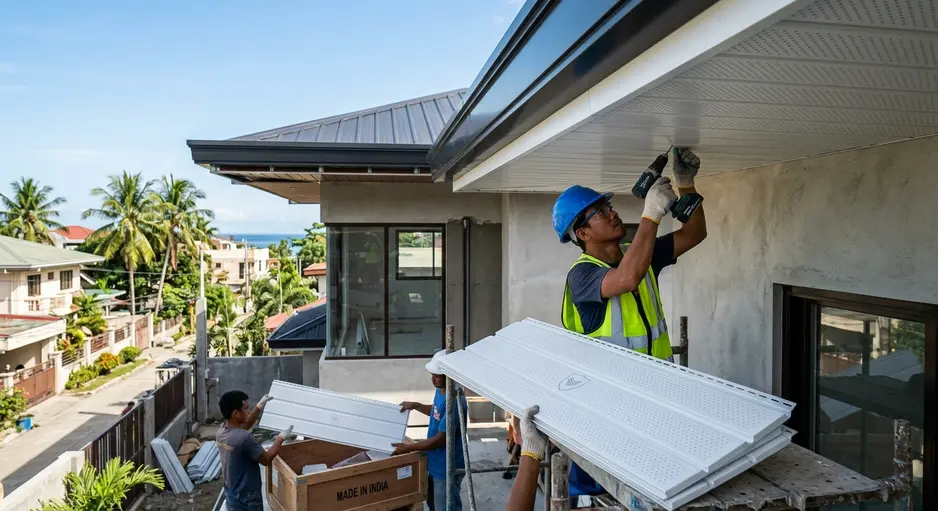
A vented soffit includes openings that allow air to enter the roof space. It can form part of a wider roof ventilation solution when paired with suitable exhaust vents.
Solid soffit panels create a closed finish. They may be used where ventilation is provided elsewhere or where the roof design does not call for soffit intake vents. The final choice should follow the project’s roof and ventilation plan.
During installation, insulation, sealant, framing, and insect mesh must not block the designed airflow. Ask for free-area data rather than estimating airflow from the visible size of the slots.
Decorative Profiles and Finishes
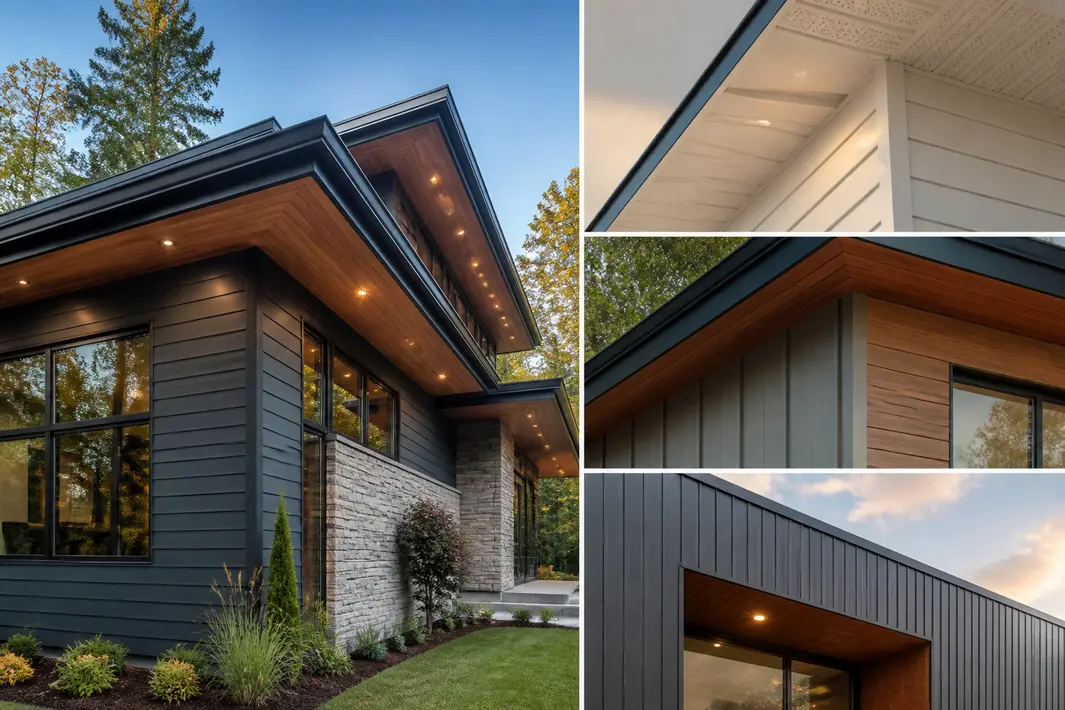
Decorative options may include grooves, slatted effects, wood-look surfaces, and coordinated trims. These finishes can improve entrances, porches, balconies, covered walkways, and commercial façades.
Before selecting a decorative soffit panels exporter to Philippines, request a physical sample. Screen colors and catalogue images may not accurately show texture, gloss, grain, or shade. For larger orders, buyers can also ask whether a pre-production sample is available for approval.
Where Can Soffit Panels Be Used?
Residential Projects
Soffit panels for residential projects are commonly considered for villas, townhouses, subdivisions, garages, porches, balconies, and roof overhangs. Homeowners often want a clean finish that coordinates with the roof, walls, gutters, and fascia.
For housing developments, repeatable profiles and reliable color consistency can simplify installation across several units. Contractors should also order enough trims, corners, joiners, and replacement material.
Commercial Buildings
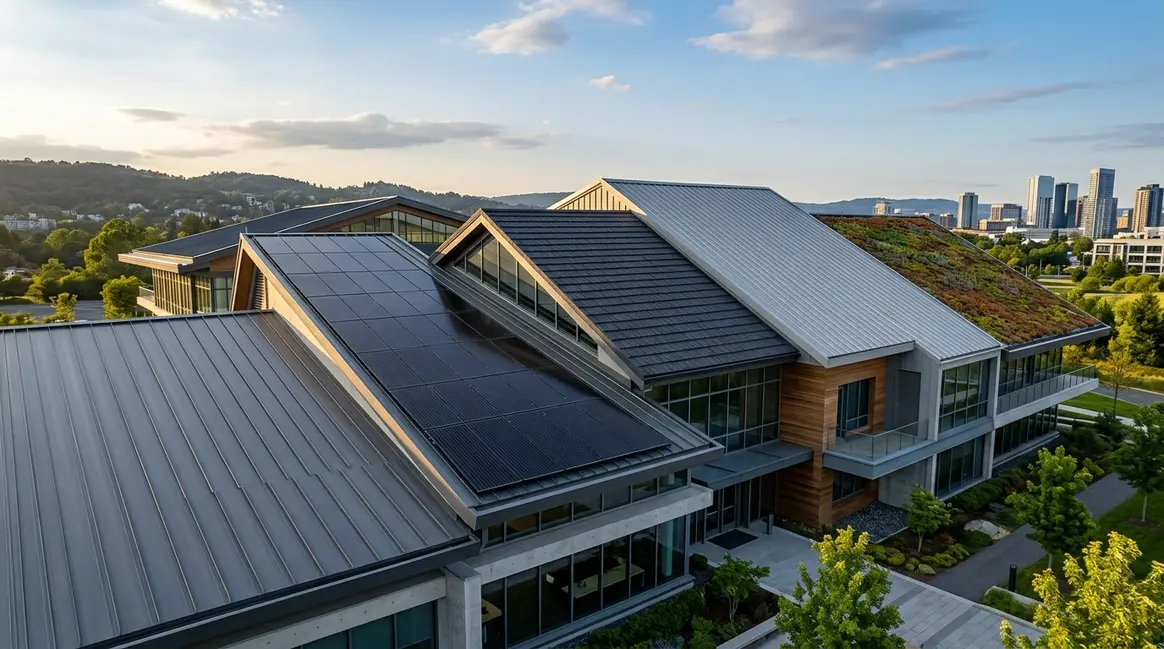
Soffit panels for commercial buildings may be specified for retail sites, offices, hospitality properties, schools, mixed-use developments, and covered walkways. These projects often need consistent dimensions, planned delivery schedules, and clear maintenance instructions.
A soffit ceiling panels exporter to Philippines should be given the total project area, expected delivery stages, finish schedule, and installation location. This helps the buyer request a quotation based on actual project needs.
Exterior Ceilings and Sheltered Areas
Soffit panels for exterior ceilings can be used beneath canopies, entrance roofs, balconies, and semi-exposed areas when the selected product is intended for that use. Suitability depends on framing, span, wind exposure, fastening, fire requirements, and service penetrations.
How to Evaluate a Soffit Panels Manufacturer in India
Review the Technical Specifications
Price is only one part of a useful comparison. A soffit panels manufacturer in India should be asked to provide clear specifications for the exact profile included in the quotation.
Your technical checklist should cover:
Material type and stated formulation
Panel width, length, thickness, and usable coverage
Weight per square metre
Surface finish and available colors
Ventilation free area for vented profiles
Maximum support spacing
Thermal expansion requirements
Recommended fasteners, trims, and accessories
Available UV and weathering test information
Fire-test information when required by the project
Warranty conditions, limits, and exclusions
Request Samples and Documents
Ask the soffit panels supplier for a physical sample, technical data sheet, installation guide, packaging details, and relevant test reports. The documents should identify the product, profile, finish, or material to which they apply.
Buyers should also ask how batches are identified and checked. For custom colors, keep an approved sample for comparison when the shipment arrives.
Assess Production and Export Readiness
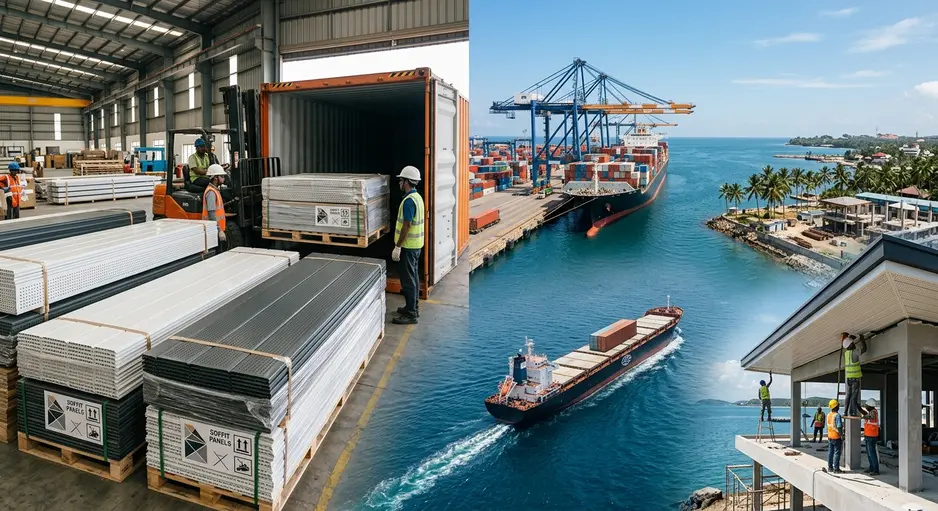
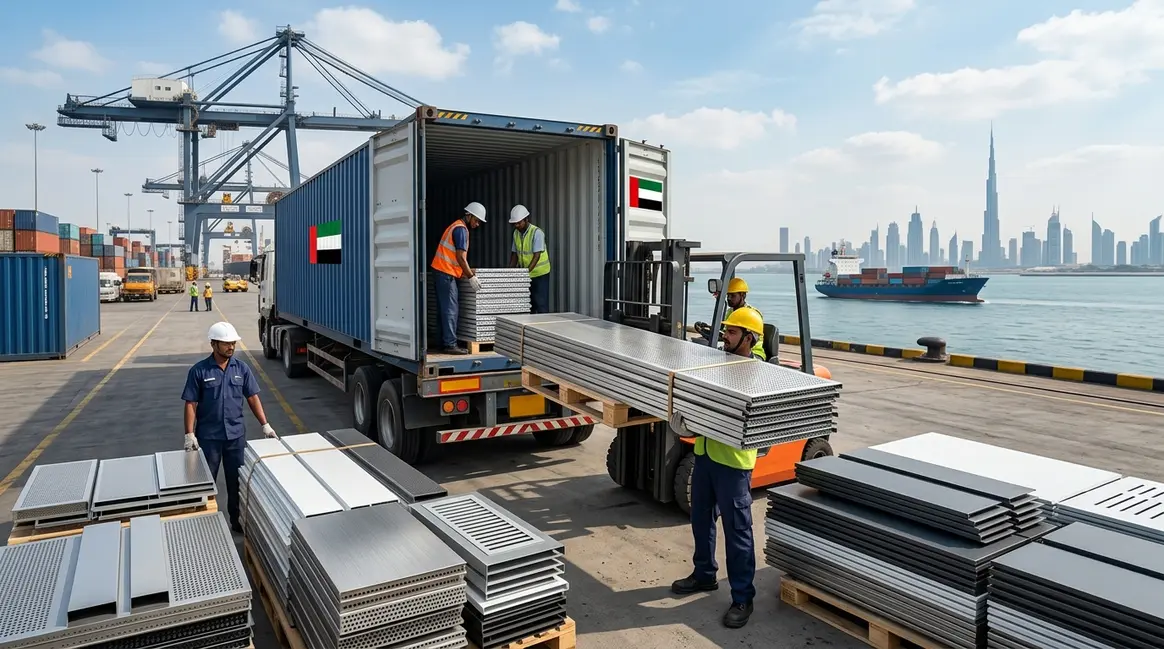
Discuss production capacity, minimum order quantity, custom lengths, realistic lead time, loading method, and inspection options. A durable soffit panels exporter should also explain the process for reporting shortages, transit damage, or product concerns.
Avoid relying on broad terms such as “waterproof,” “fireproof,” or “maintenance-free.” Verify each important claim through technical records, written warranty terms, and project-specific approval. The architect or engineer should review the product where needed.
What Makes a Reliable Exporter to the Philippines?
Protective Export Packaging
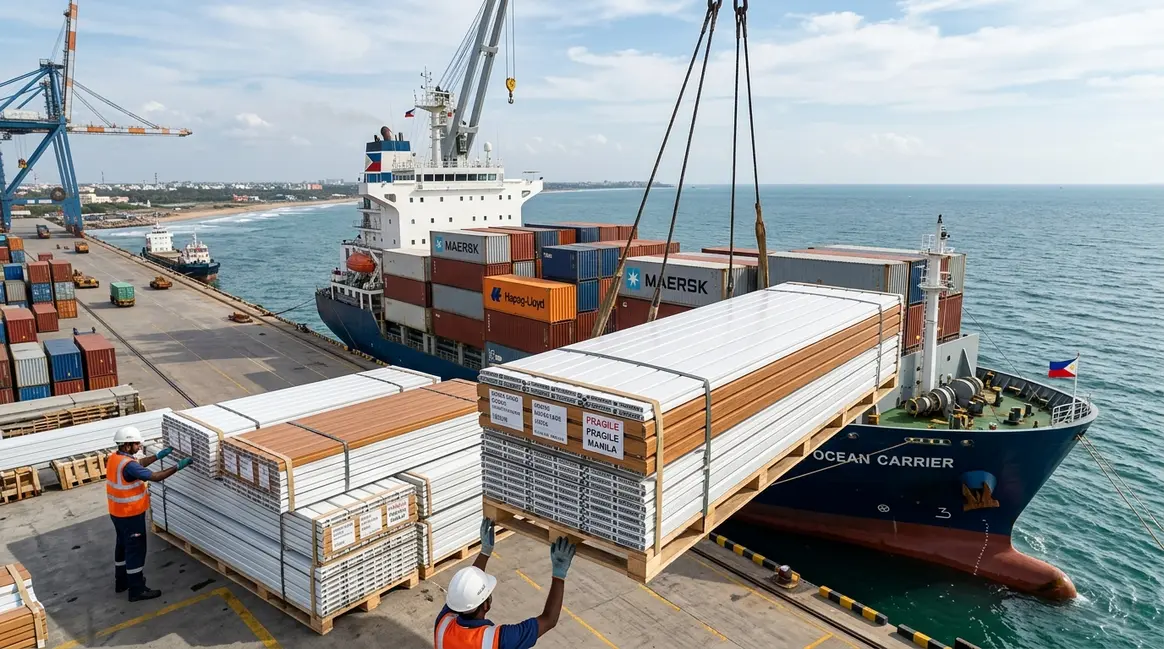
Lightweight panels can still bend, scratch, or suffer edge damage during handling. Long profiles need secure bundling and careful support. Suitable packaging may include protective film, corner guards, moisture protection, and palletization where appropriate.
Ask the exterior soffit panels supplier to explain how the goods will be packed and loaded. Packaging photographs taken before dispatch can help document the shipment’s condition.
Clear Commercial Terms
The quotation should identify the product, quantity, accessories, currency, price validity, lead time, and agreed Incoterm. Buyers should confirm whether the offer is EXW, FOB, CFR, CIF, or another term.
Also check the port of loading, Philippine destination port, freight, insurance, payment terms, destination charges, and spare-panel allowance. Each Incoterm places different responsibilities on the seller and buyer.
Shipping and Import Documents
Documents may include a commercial invoice, packing list, bill of lading, certificate of origin, and insurance certificate when applicable. The importer may also request technical data, installation guidance, test reports, or other declarations.
Tariff classification and import requirements can vary by material and intended use. The Philippine buyer should confirm the HS code, taxes, permits, current customs rules, and any origin requirements with a licensed customs broker before shipment.
Installation Practices for Durable Exterior Soffits
Inspect the Supporting Frame
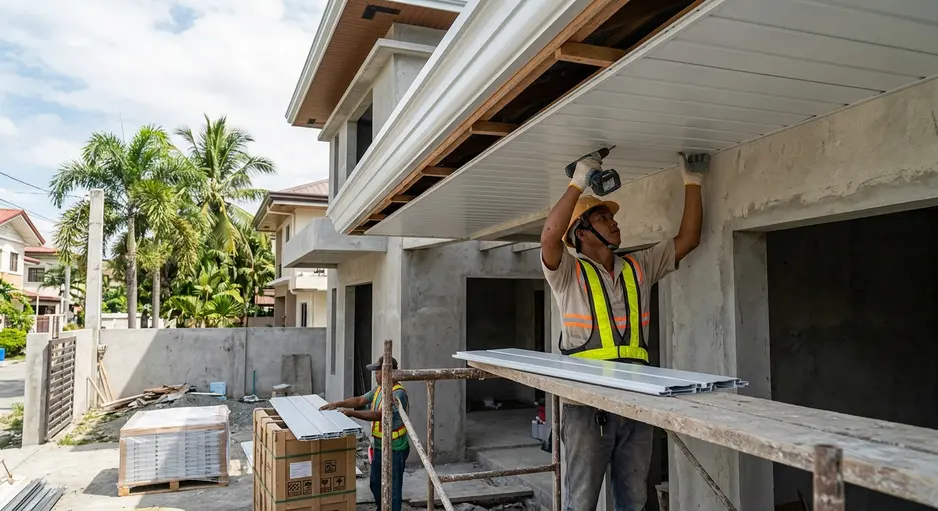
The substrate should be level, dry, sound, and adequately supported. Repair roof leaks and damaged framing before work starts. Fasteners and accessories should be compatible with the panel material and the surrounding environment.
Allow for Thermal Movement
Follow the manufacturer’s specified expansion clearance. Do not overtighten fasteners or force panels tightly into trims. Unsupported spans should not exceed the stated limit.
Installers should use suitable trims around corners, edges, lights, vents, and service penetrations. Any electrical or mechanical work should be coordinated before the ceiling is closed.
Keep Ventilation Open
Ventilation openings must remain clear of insulation, sealant, framing, and stored items. Intake vents should be coordinated with ridge or upper-roof exhaust points. Any insect screen must allow the required airflow.
Plan for Wind and Coastal Exposure
High-wind projects need specific framing and fastening guidance. Corrosion-resistant fasteners may be required in coastal locations. No panel system should be described as typhoon-resistant without suitable testing or project-specific engineering for the complete assembly.
A simple maintenance plan should include visual inspections, gentle cleaning, clearing vents, replacing damaged trims, and checking nearby gutters, sealants, and roof components.
Sourcing Soffit Panels From Vorix India
Philippine buyers can contact Vorix India through https://vorixindia.com/ to request current product information. Product types, specifications, exterior-use suitability, samples, order quantities, packaging, and export terms should be confirmed directly before procurement.
Include the following details in your enquiry:
Project type and Philippine location
Exterior, sheltered, or interior application
Preferred PVC, WPC, vented, solid, or decorative option
Required dimensions and estimated square metres
Color and finish preference
Roof ventilation requirements
Target delivery date and destination port
Required technical and test documents
Ask whether the selected profile is designed for exterior use, which accessories are available, and what support spacing is required. Also confirm the MOQ, production schedule, container capacity, sample process, and installation support.
The right soffit system balances appearance, ventilation, moisture management, installation needs, and verified product performance. Compare suppliers through specifications and documents rather than price or marketing claims alone.
Coordinate early with the architect, roofing contractor, installer, exporter, and customs broker. To explore available options, contact Vorix India for current specifications, samples, MOQ details, export packaging information, and a quotation for your Philippine project.
Frequently Asked Questions About Soffit Panels
1. Are PVC Soffit Panels Suitable for the Philippine Climate?
Exterior-grade PVC may be considered for humid conditions when it has suitable UV stability and is installed as directed. Buyers should verify its intended use, test information, movement requirements, and exposure limits before approval.
2. Should I Choose Vented or Solid Panels?
Vented panels support air intake at the roof eaves. Solid panels provide a closed finish. The correct option depends on the complete roof design, insulation, exhaust ventilation, and project requirements.
3. Are Soffit Panels Waterproof?
Some materials offer strong moisture resistance, but the soffit is not the building’s main waterproofing layer. Roofing, flashing, membranes, sealants, gutters, and drainage must prevent and direct water properly.
4. Can Soffit Panels Withstand Typhoons?
Wind performance depends on the entire assembly, including the panel, supporting frame, fasteners, spacing, roof geometry, and workmanship. High-wind locations may require project-specific engineering and verified system data.
5. Can Colors and Panel Lengths Be Customized?
Customization depends on the manufacturer’s tooling, finish availability, minimum quantity, production capability, and lead time. Buyers should request written confirmation and approve a physical sample before volume production.
 Join Vorix WhatsApp Community
for updates, trends, and business opportunities!
Join Vorix WhatsApp Community
for updates, trends, and business opportunities!