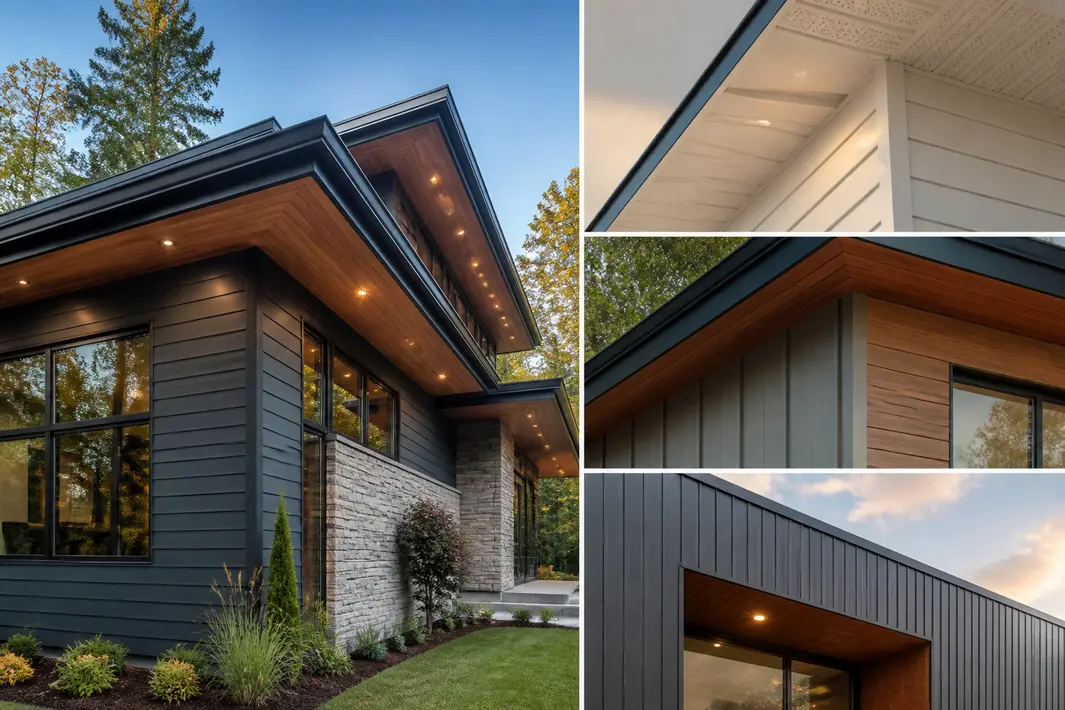
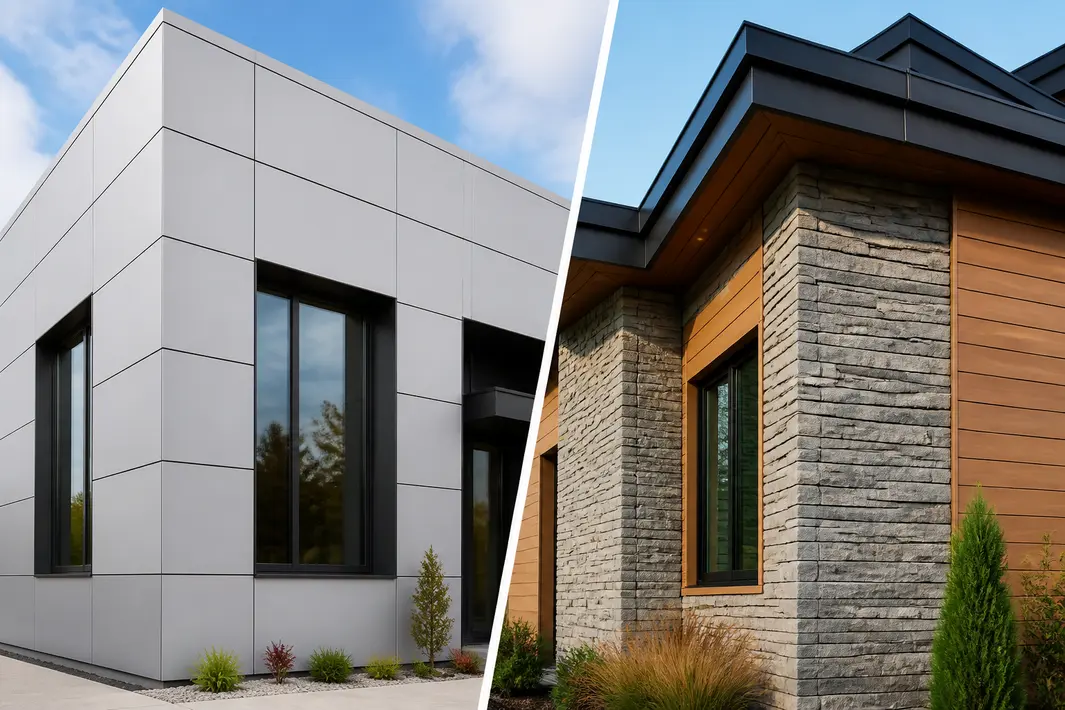
Exterior materials play a critical role in how a building performs over time. Beyond visual appeal, they protect structures from weather exposure, support ventilation, improve energy efficiency, and reduce long-term maintenance. As construction practices evolve, builders and developers are placing greater emphasis on reliable exterior solutions that deliver consistent performance across different environments.
This shift has increased the use of exterior soffit panels, exterior siding panels, and complete exterior panel systems across residential, commercial, and industrial projects. These products are no longer considered add-ons. They are core components that directly influence durability, comfort, and overall building value. Choosing the right combination of building exterior panels helps ensure structural protection while maintaining a clean, finished appearance.
Exterior Soffit Panels and Their Functional Role
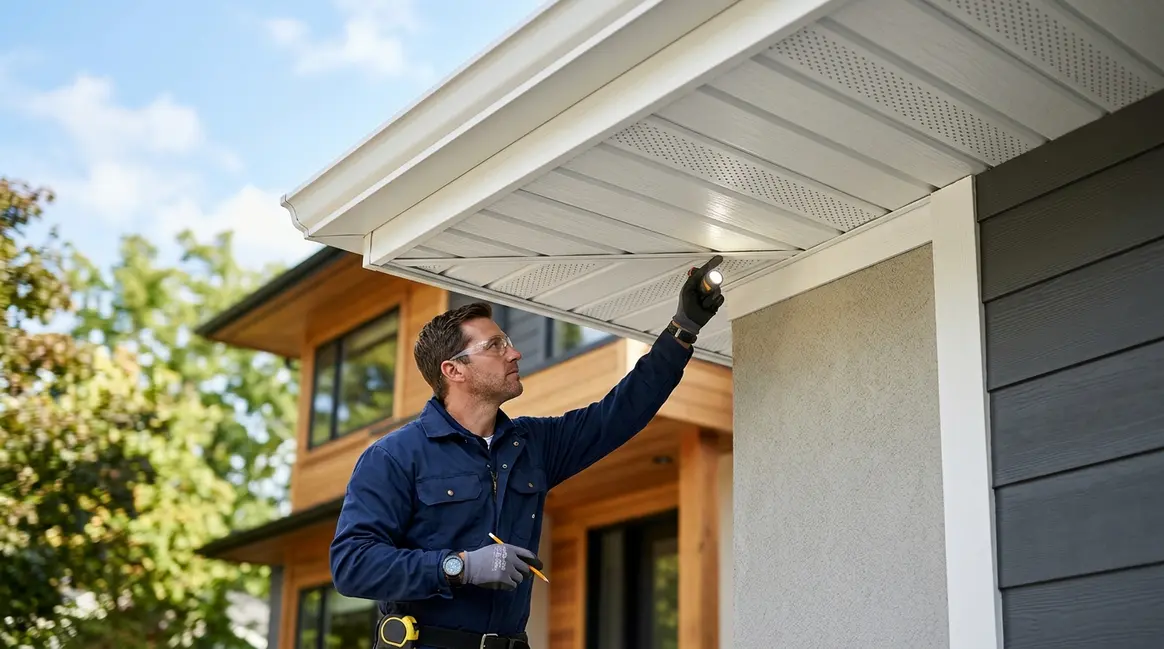
Exterior soffit panels are installed beneath roof overhangs and eaves. Their primary purpose is to protect the underside of the roof while allowing controlled airflow through the roof cavity. Proper ventilation prevents moisture accumulation, which can otherwise lead to mold growth, wood decay, and insulation damage.
In areas exposed to heavy rainfall or humidity, exterior soffit panels help regulate airflow and reduce condensation. They also shield roof edges from birds, insects, and environmental debris. From a visual standpoint, soffit panels cover exposed structural elements and contribute to a uniform exterior finish.
Why UPVC Soffit Panels Are Widely Used
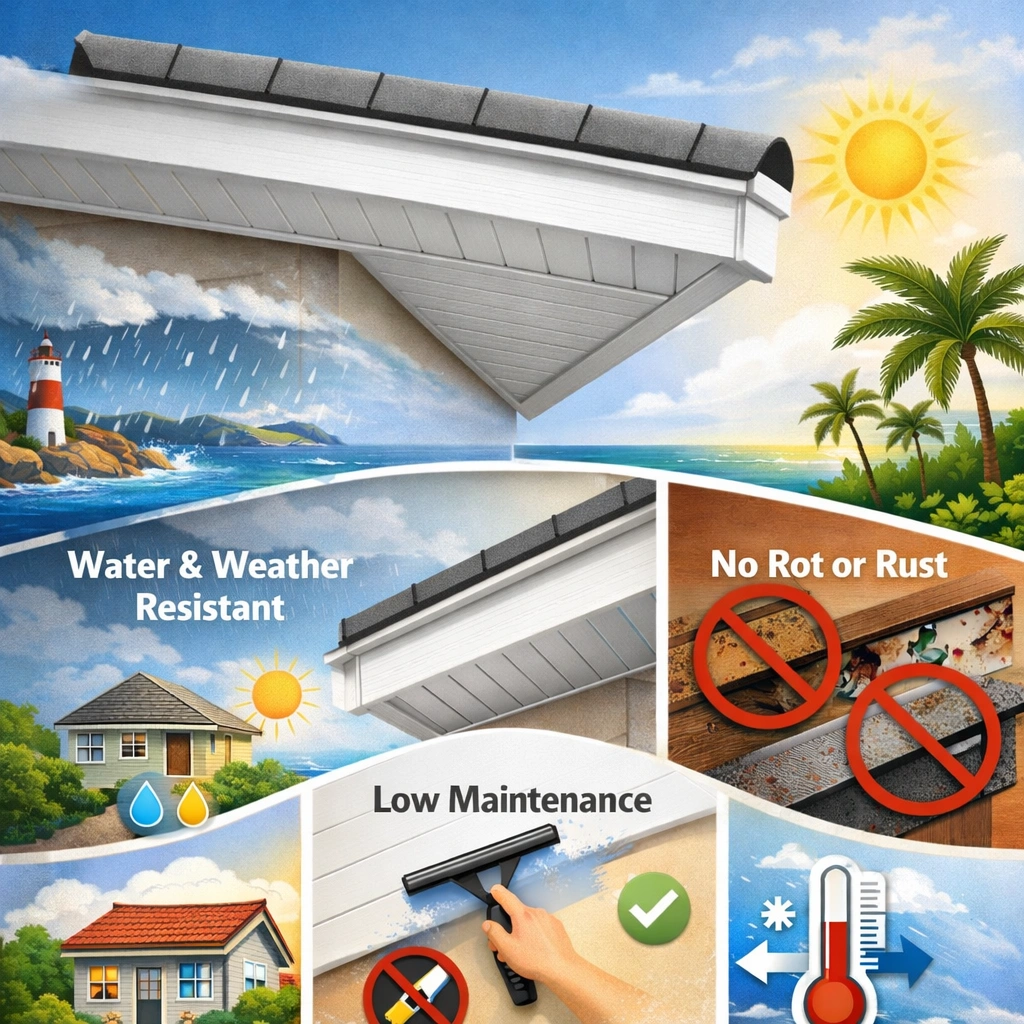
UPVC soffit panels are commonly selected due to their resistance to moisture and temperature changes. Unlike wood or metal alternatives, UPVC does not rust, rot, or absorb water. This makes it suitable for buildings in coastal regions, high-rainfall zones, and areas with strong sunlight exposure.
Maintenance requirements are minimal. UPVC soffit panels do not require painting or surface treatments and retain their shape over time. Their smooth surface allows easy cleaning, which is especially useful for buildings where access to roof edges is limited.
Another advantage of UPVC soffit panels is their stability. They maintain consistent performance even when exposed to prolonged heat or cold, reducing the risk of deformation or surface damage.
Exterior Siding Panels as a Protective Layer
Exterior siding panels form the outer covering of a building’s walls. They protect structural components from wind, rain, dust, and direct sunlight. Properly installed siding panels help prevent moisture penetration, which can compromise wall integrity over time.
Beyond protection, exterior siding panels contribute to insulation by reducing heat transfer through external walls. This supports indoor temperature control and helps lower energy usage. The wide range of available finishes allows siding panels to suit various building styles without compromising performance.
Because of their durability and consistency, exterior siding panels are used across housing projects, commercial buildings, warehouses, and institutional facilities.
Vinyl Siding Panels and Their Practical Benefits
Vinyl siding panels are chosen for their balance of strength, cost efficiency, and ease of installation. They resist moisture, insects, and surface damage, making them reliable in both residential and commercial applications.
One of the key benefits of vinyl siding panels is their low weight. This reduces structural load and simplifies installation, especially in renovation projects. The panels also retain their appearance without frequent maintenance, which helps reduce long-term upkeep costs.
Vinyl siding panels are available in a wide range of surface textures and colors. This allows builders to achieve consistent exterior finishes while using a single material solution.
Wall Cladding Panels for Exterior Protection
Wall cladding panels are installed over exterior walls to provide an additional protective layer. They reduce direct exposure of the structural wall to weather conditions and mechanical impact. This added protection helps extend the lifespan of the building envelope.
Wall cladding panels also improve thermal and acoustic performance. By adding an extra layer between the exterior environment and interior spaces, they help regulate temperature and reduce external noise.
From a construction standpoint, wall cladding panels offer a clean and uniform finish. They are commonly used in commercial and multi-storey buildings where consistency and durability are essential.
Understanding the Purpose of Exterior Wall Panels
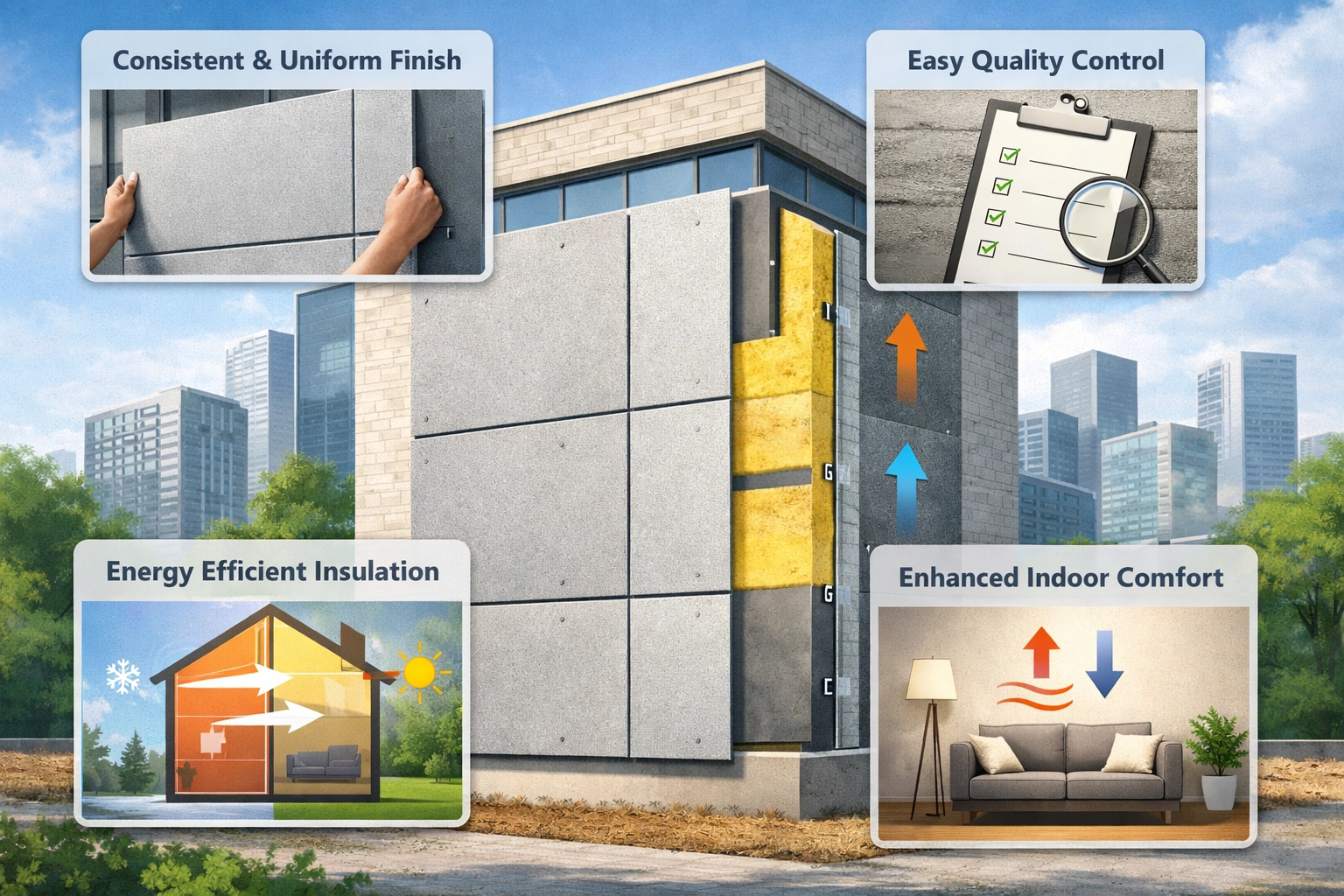
Exterior wall panels are designed to cover large wall surfaces efficiently. They are manufactured to maintain consistent quality and thickness, ensuring uniform performance across the building façade.
Unlike traditional finishes that may vary due to on-site application, exterior wall panels offer predictable results. This consistency reduces the likelihood of surface defects and simplifies quality control.
Exterior wall panels also support improved insulation when combined with appropriate backing materials. This contributes to better indoor comfort and reduced heating or cooling demand.
Building Exterior Panels for Large-Scale Projects
Building exterior panels are often used in large developments where speed, consistency, and long-term reliability are important. Their modular design allows for faster installation compared to conventional exterior finishes.
These panels are engineered to withstand environmental stress while maintaining their appearance. This makes them suitable for projects where durability and reduced maintenance are priorities.
Building exterior panels also allow greater flexibility in design planning. Different panel types can be combined across elevations without disrupting construction timelines.
Performance Comparison of Exterior Panel Types
| Panel Type |
Primary Use |
Key Advantages |
Maintenance Level |
| Exterior soffit panels |
Roof ventilation and protection |
Moisture control, clean roof edges |
Low |
| UPVC soffit panels |
Long-term soffit coverage |
Water resistance, stability |
Very low |
| Exterior siding panels |
Wall protection |
Weather resistance, insulation support |
Low |
| Vinyl siding panels |
Lightweight wall covering |
Easy installation, surface durability |
Very low |
| Wall cladding panels |
Additional wall protection |
Thermal and acoustic benefits |
Low |
| Exterior wall panels |
Large surface coverage |
Uniform quality, insulation support |
Low |
| Building exterior panels |
Complete exterior systems |
Fast installation, long service life |
Low |
Reducing Maintenance Through Exterior Panels
Traditional exterior finishes often require regular repainting and repairs. Exterior panel systems significantly reduce these requirements. Their surfaces resist fading, staining, and moisture-related damage.
UPVC soffit panels and vinyl siding panels maintain their appearance with simple cleaning. Wall cladding panels and exterior wall panels protect structural walls from direct exposure, lowering repair frequency.
Reduced maintenance translates into long-term cost savings and fewer disruptions for building owners.
Use of Exterior Panels in Different Building Types
Residential buildings benefit from exterior panels that enhance protection while maintaining visual appeal. Exterior soffit panels improve roof ventilation, while exterior siding panels define wall finishes.
Commercial and industrial buildings rely on building exterior panels for durability and consistent appearance. Vinyl siding panels and wall cladding panels are frequently used where reliability and ease of upkeep are essential.
Across sectors, exterior panel systems provide dependable performance under varied operating conditions.
Climate Performance of Exterior Panel Systems
Exterior panels must perform reliably in different climates. Exterior soffit panels help manage moisture in humid regions, while exterior siding panels protect walls from heavy rainfall and sunlight.
UPVC soffit panels maintain stability under temperature variation. Vinyl siding panels resist fading and surface damage in high-exposure environments. Together, these systems support long-term building protection across regions.
About Vorix India – Trusted Manufacturer of Exterior Soffit and Siding Panels
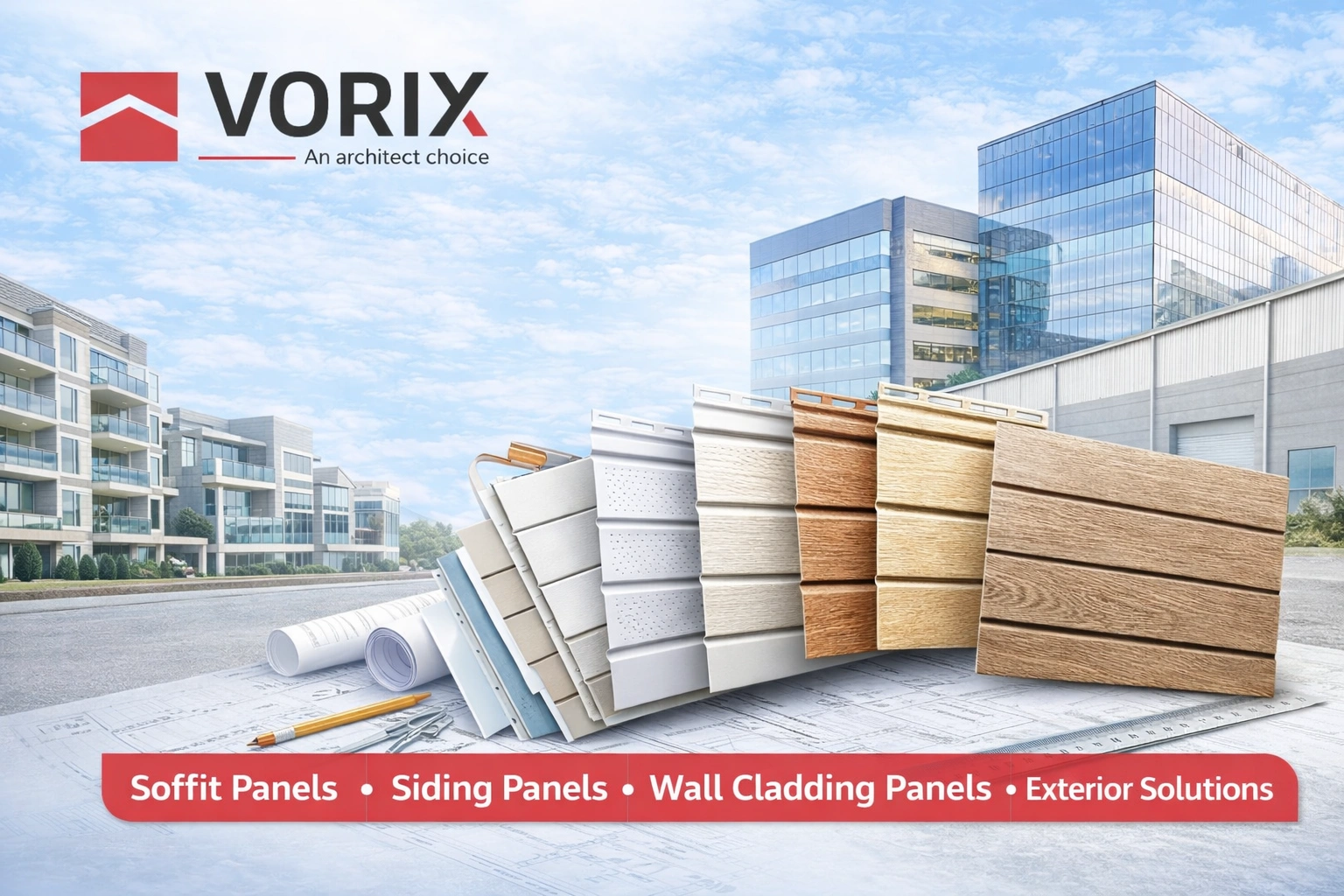
Vorix India is a manufacturer focused on high-quality exterior solutions designed for reliable performance. The company specializes in exterior soffit panels, exterior siding panels, wall cladding panels, and building exterior panels for residential, commercial, and industrial projects.
Vorix products are manufactured using controlled processes to ensure consistency, durability, and resistance to environmental exposure. With a focus on practical performance and long service life, Vorix supports builders and developers seeking dependable exterior systems for varied project requirements.
Find Soffit Panel Exporter
Conclusion
Exterior panel systems have become essential in construction due to their role in protection, ventilation, insulation, and maintenance reduction. Exterior soffit panels support roof health, while exterior siding panels and wall cladding panels protect walls from environmental exposure.
UPVC soffit panels, vinyl siding panels, exterior wall panels, and building exterior panels offer long-term reliability with minimal upkeep. When selected and installed correctly, these systems contribute to durable, efficient, and well-finished buildings across all sectors.
FAQs
1. What is the purpose of exterior soffit panels?
They protect roof edges and allow controlled ventilation.
2. Why are UPVC soffit panels preferred?
They resist moisture and require minimal maintenance.
3. What do exterior siding panels protect against?
They shield walls from weather and surface damage.
4. Are vinyl siding panels suitable for renovations?
Yes, their lightweight design simplifies installation.
5. How do wall cladding panels help buildings?
They add protection and improve insulation.
6. Where are exterior wall panels commonly used?
On large wall surfaces requiring uniform coverage.
 Join Vorix WhatsApp Community
for updates, trends, and business opportunities!
Join Vorix WhatsApp Community
for updates, trends, and business opportunities!