Exterior Wall Panels vs Exterior Wall Cladding: Key Differences - Blog
08 August, 2026
Choosing an exterior finish can be confusing because “panel” and “cladding” are often used as if they mean the same thing. They do not. One term describes a product format, while the other describes the role of an exterior facade system.
What Are Exterior Wall Panels and Cladding?
What are exterior wall panels?
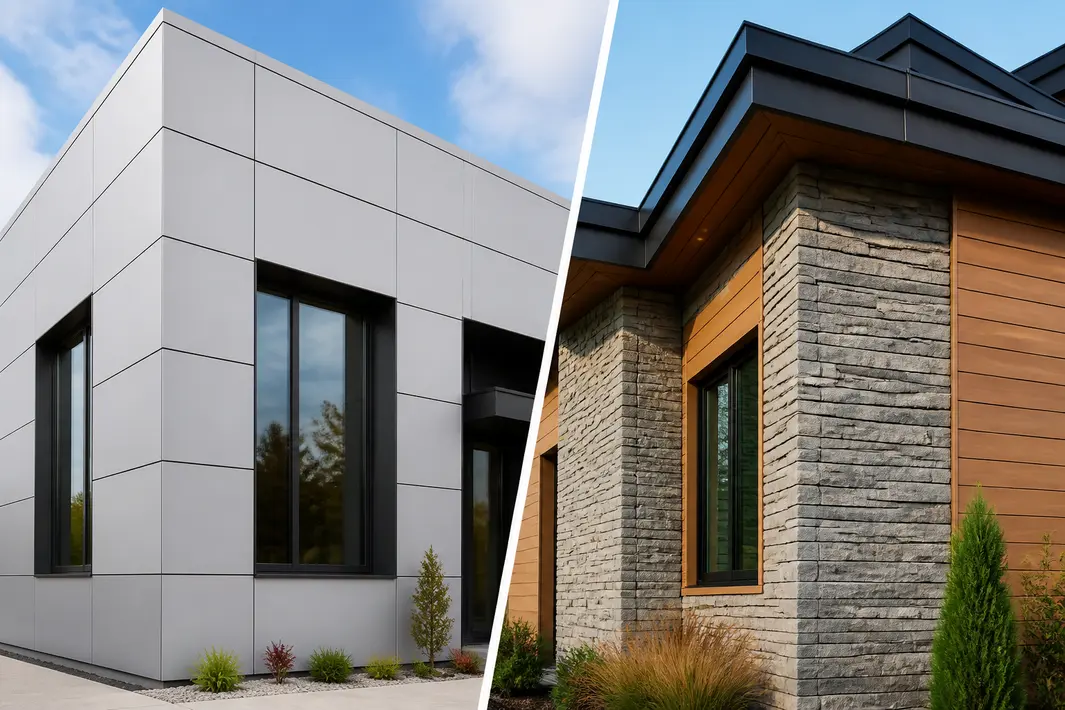
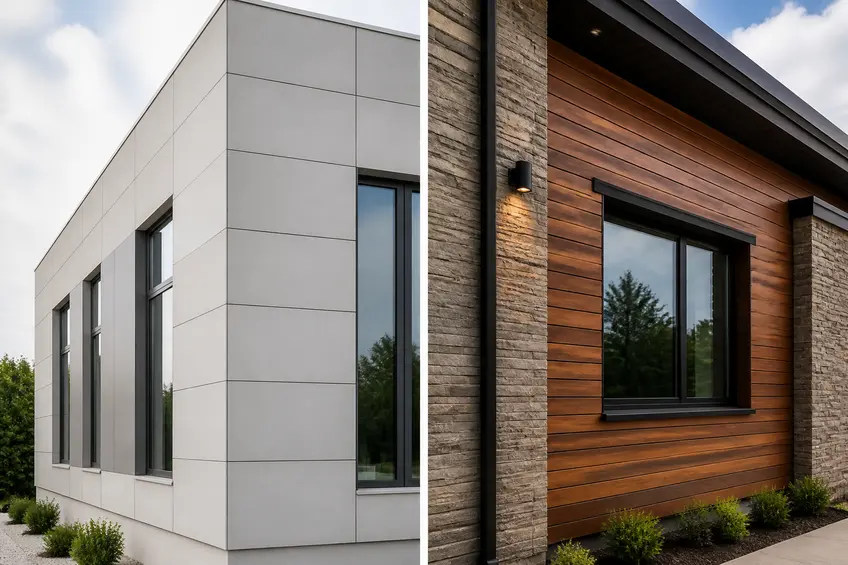
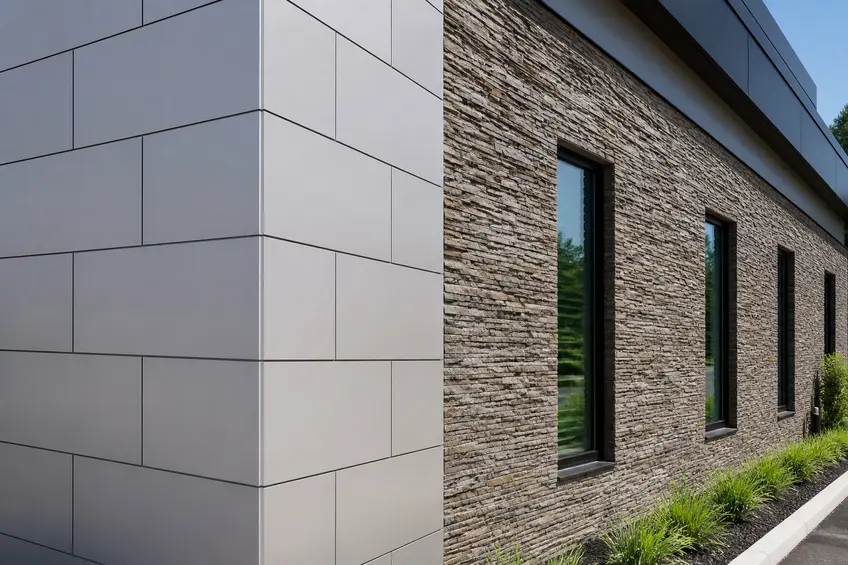
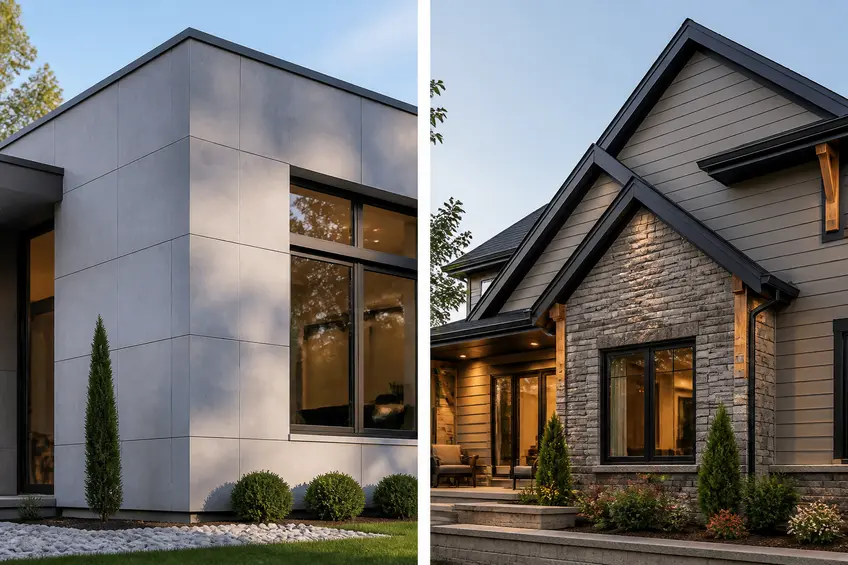
Exterior wall panels are factory-produced building components with set dimensions. Installers arrange them in modules and connect them to a wall, frame, rail, or substructure. The finished facade usually has clear joints between each unit.
Some exterior building panels are decorative and non-structural. Others may include an insulated core or contribute to the enclosure of a building. Common examples include:
Aluminum composite panels
Metal facade panels
WPC exterior cladding products
PVC exterior wall panels
Fiber-cement boards and panels
Insulated sandwich panels
What is exterior wall cladding?
Exterior wall cladding is a broader term. It covers the visible outer finish and, in many cases, parts of the weather-management system. Cladding may be made from panels, boards, planks, tiles, shingles, stone veneer, brick veneer, or siding.
A well-designed system can help manage rain, sunlight, moisture, impact, and temperature changes. It can also support architectural facade design and improve the appearance of residential or commercial building exteriors.
Is wall cladding the same as wall paneling?
No. Cladding describes an exterior function, while paneling describes a product shape or format. Wall cladding panels can perform both roles when they are made for outdoor exposure and installed within a suitable, code-compliant wall assembly.
Exterior Wall Panels vs Cladding at a Glance
Meaning
Panels: Prefabricated units with defined sizes and joint patterns.
Cladding: The broad category of protective and decorative exterior coverings.
Material range
Panels: Metal, ACP, WPC, PVC, fiber cement, and insulated products.
Cladding: Panels, siding, boards, stone, brick veneer, tiles, shingles, and other finishes.
Installation
Panels: Often use modular rails, clips, concealed fixings, or mechanical fasteners.
Cladding: Installation varies widely according to material, wall type, and weather-control strategy.
Design and insulation
Panels: Provide clean geometry and regular joints. Some include an insulated core.
Cladding: Offers both traditional and modern finishes. Insulation is often installed as a separate layer.
The key difference: format vs function
“Panel” mainly refers to how a product is made and supplied. “Cladding” refers to what the outer layer does. Facade panels are therefore often components within larger building facade systems rather than an alternative to cladding.
How are exterior siding panels different?
Siding usually refers to overlapping or interlocking exterior finishes, especially on homes. Siding is a type of cladding. Exterior siding panels are simply a panelized version of that finish.
Common Exterior Panel and Cladding Materials
Aluminum composite panels
Aluminum composite panels are lightweight and support smooth, modern designs. They are available in many colors and finishes. Buyers should check coating quality, corrosion resistance, core composition, and fire documentation. Fire compliance may apply to the complete assembly, not just the visible sheet.
WPC exterior cladding
Wood-plasticcomposite products offer a wood-like finish with less routine care than many natural wood options. Correct gaps are needed because WPC can move as temperatures change. Product grade, UV exposure, fixing details, and drainage must also be considered.
PVC exterior wall panels
Exterior-grade PVC products are light, moisture resistant, and easy to clean. However, performance can vary under heat, impact, and strong sunlight. Designers must allow for movement and confirm that the selected product meets local fire and exterior-use requirements.
Fiber cement, metal, and insulated panels
Fiber cement: Offers dimensional stability and a broad choice of textures.
Metal panels: Suit large commercial facades and crisp architectural forms.
Insulated sandwich panels: Can speed up enclosure while adding thermal resistance.
Exterior insulation panels: May support thermal insulation wall systems when correctly detailed.
Stone, brick, and traditional finishes
Stone and brick veneer can provide a premium or regional look. These materials may need more structural support and longer installation times. Anchors, movement joints, sealants, and load paths must be designed for the specific project.
Which Option Performs Better?
Are exterior wall panels waterproof?
Panels may be water resistant, but they do not make a wall waterproof by themselves. Reliable moisture control depends on joints, flashings, membranes, sealants, drainage paths, and protected openings. Many durable exterior cladding solutions use a drained or ventilated rainscreen approach.
Weather and UV resistance
Weather resistant wall panels should be selected for the actual site. Important conditions include wind-driven rain, heat, freeze-thaw cycles, coastal salt, and strong sunlight. For UV resistant exterior panels, check the finish specification, test documents, and warranty conditions.
Thermal performance
Insulated products can add thermal resistance. Non-insulated architectural wall panels may still work with continuous insulation behind them. Rails and fasteners can create thermal bridges, so the whole-wall result matters more than the stated insulation value of one product.
Fire, wind, and impact performance
Project teams should verify:
Fire classification and assembly-level tests where required
Design wind loads and fastener pull-out strength
Impact resistance and subframe capacity
Compatibility between panels, metals, sealants, and substrates
Applicable requirements in IBC Chapter 14, the National Building Code of India, and local regulations
Which lasts longer: panels or cladding?
Neither category always lasts longer. Service life depends on the base material, coating, climate, joint design, installation quality, cleaning, and repair schedule. A well-detailed basic product can outperform a premium finish installed with poor drainage.
Best Exterior Panels for Modern Buildings
Commercial and residential applications
Commercial projects often use large-format facade panels, metal finishes, ACP systems, or insulated units. Homes may use fiber cement, WPC, exterior siding panels, or decorative exterior panels for accent areas.
Consider these practical examples:
Coastal commercial building: Prioritize corrosion-resistant fixings, suitable coatings, drainage, and regular salt removal.
Hot-climate home: Consider a ventilated cavity, continuous insulation, UV-stable finishes, and lighter colors where suitable.
Warehouse or factory: Compare insulated panels with site-assembled cladding based on enclosure speed, fire rules, energy targets, and maintenance.
How do you choose the right facade material?
Define the climate and level of exposure.
Confirm the wall, frame, and substrate type.
Set fire, wind, impact, and moisture requirements.
Establish energy and insulation targets.
Compare installed cost rather than material cost alone.
Plan for cleaning, access, and future repairs.
Request samples and verified technical documents.
Exterior Panel Installation and Common Mistakes
Common exterior panel installation methods
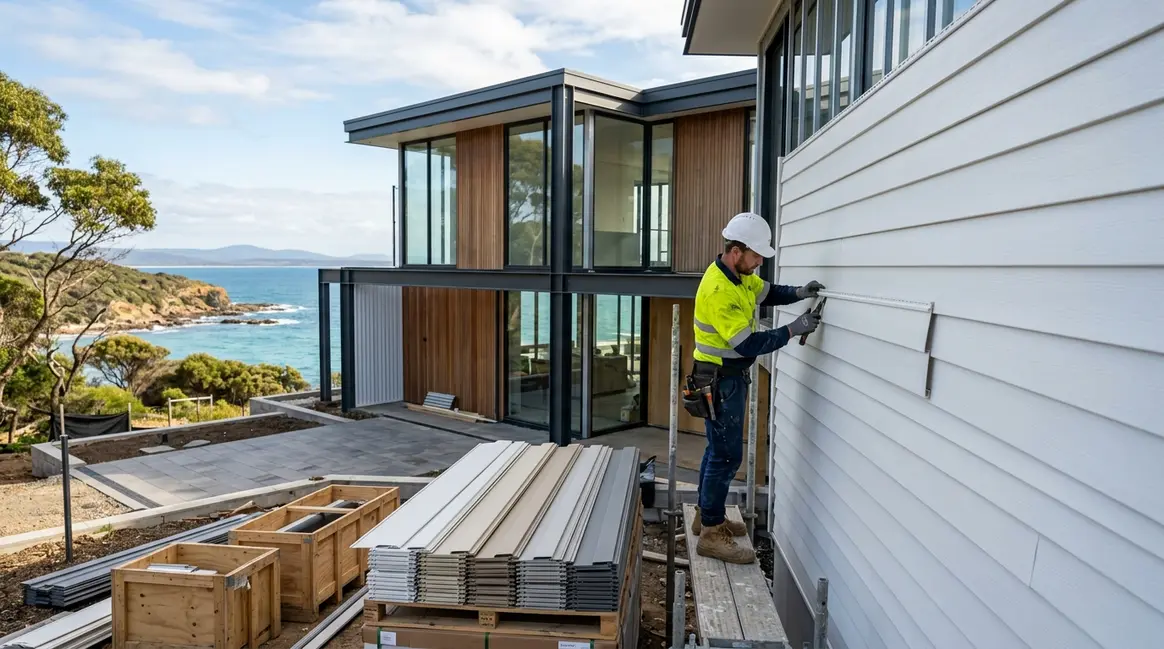
Exterior panel installation methods include direct fixing, rail or batten systems, concealed clips, mechanical fasteners, and approved adhesive-assisted systems. The correct approach depends on the product, substrate, design wind load, climate, and supplier instructions.
Should exterior cladding have an air gap?
Many rainscreen systems use a drained or ventilated cavity to control moisture. However, the cavity size and ventilation method depend on the wall design, material, climate, fire strategy, and local code. An air gap should be designed, not added without proper detailing.
Installation mistakes to avoid
Ignoring thermal expansion
Blocking drainage or ventilation paths
Omitting flashings around windows and doors
Using incompatible metals or sealants
Applying the wrong fastener spacing
Leaving penetrations unprotected
Installing over a weak or uneven substrate
A pre-installation mock-up can confirm joint width, alignment, corners, fastener appearance, opening details, and water management before full construction begins.
Choosing a Wall Panel Manufacturer or Exporter
What should you ask a bulk supplier?
When comparing a bulk exterior wall panel supplier or wall cladding manufacturer, request clear information about:
Materials, sizes, colors, profiles, and finishes
Minimum order quantities and production lead times
Dimensional tolerances and batch consistency
Fire, UV, impact, and moisture test documents
Installation guides and technical support
Replacement-panel availability and warranty terms
What should international buyers confirm?
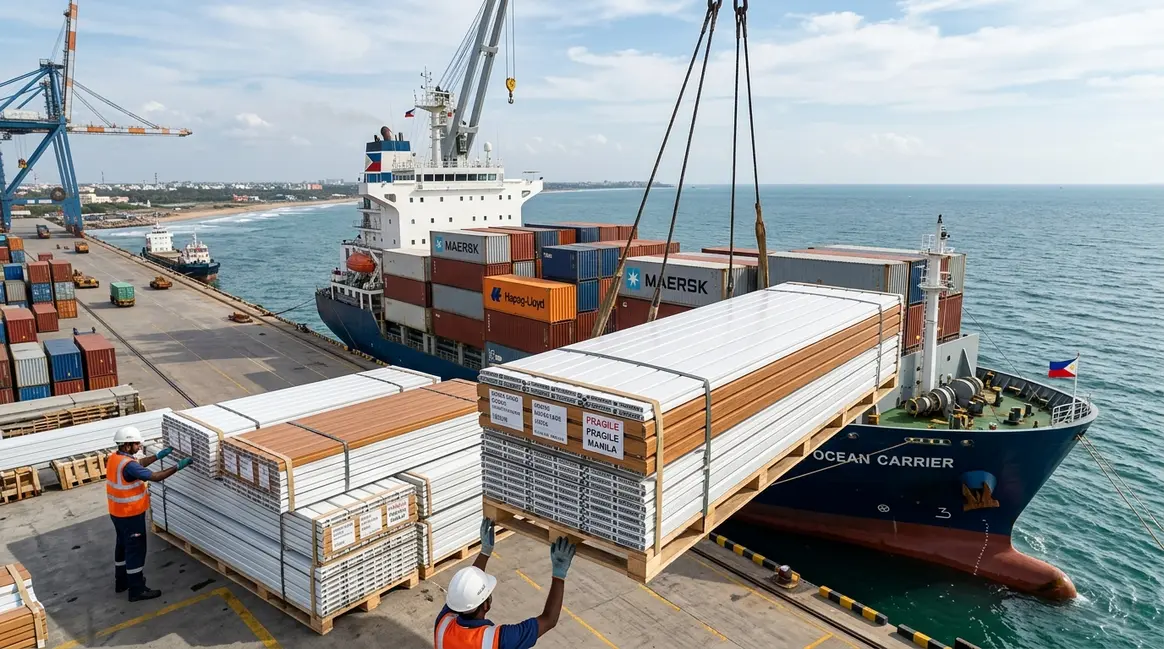
When assessing an international exterior panel exporter or custom facade panel supplier, confirm export packaging, edge protection, loading plans, shipping documents, Incoterms, spare quantities, and destination-country requirements.
Buyers can review Vorix India’s current product specifications, finish options, samples, and bulk-order support before requesting a project quotation. Any product, certification, warranty, or export claim should be confirmed directly with the company.
Exterior wall cladding is the complete protective and decorative exterior concept, while panels are one product format used to create it. The best choice comes from comparing climate exposure, fire and wind rules, insulation, installation, maintenance, and lifecycle cost. Review the full wall assembly and verified technical documents before approving any facade material. For relevant Vorix India products, request current specifications, samples, and a project-based bulk quotation.
Frequently Asked Questions
1. What is the difference between exterior wall panels and exterior wall cladding?
Panels are factory-made products supplied in a defined format. Cladding is the broader exterior covering or facade function. A panel can serve as cladding when it is suitable for outdoor use and forms part of a properly designed wall system.
2. Can exterior wall panels be used as cladding?
Yes. They must be designed for the expected weather, wind, fire, and impact conditions. They also need suitable joints, fasteners, flashings, membranes, and drainage details.
3. What is the most durable cladding material?
There is no universal winner. Durability depends on product grade, finish, exposure, installation, and maintenance. Material selection should be based on the site and complete assembly.
4. Which products need the least maintenance?
Coated metal, quality fiber cement, WPC, and some exterior-grade PVC products can provide low maintenance wall finishes. Cleaning and inspection needs still vary by climate and manufacturer guidance.
5. Are exterior panels suitable for high-rainfall areas?
Yes, if the complete assembly includes drainage, weather barriers, flashings, protected openings, and suitable joints. Moisture resistant cladding materials still require correct water-management details.
 Join Vorix WhatsApp Community
for updates, trends, and business opportunities!
Join Vorix WhatsApp Community
for updates, trends, and business opportunities!